Episode Transcript
[00:00:02] Welcome to the Crematage podcast.
[00:00:06] Take a seat.
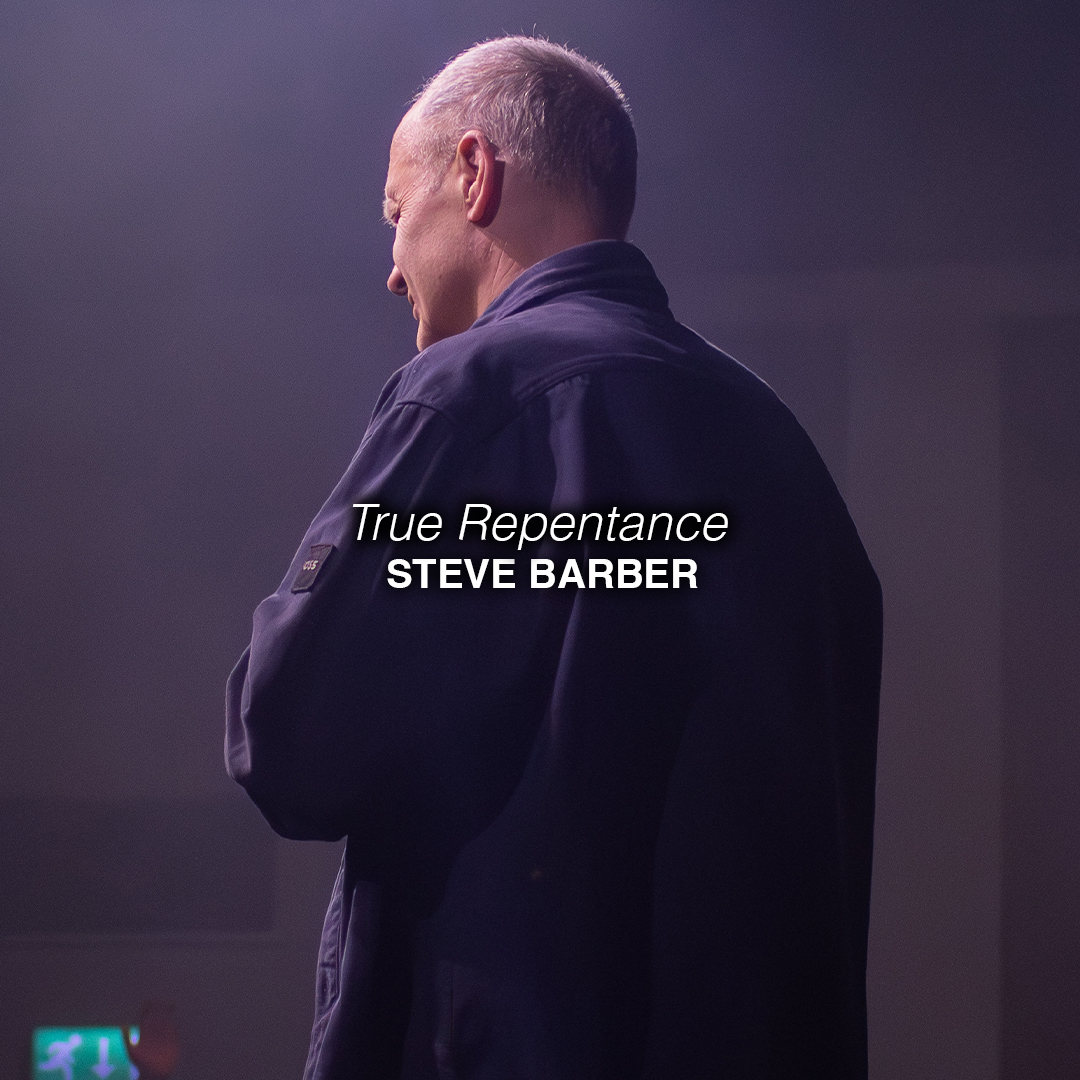
[00:00:08] I think I said first service. It's always strange seeing yourself on a camera. I don't know if you've ever had that. And what's worse is when they're filming you from behind. You know, when I have my hair cut and they go, would you like to see at the back? And I go, don't bother. But we don't need that anymore. And so I watched it all go round. But we'll have the youngsters back on the videos next week. They're just so natural in front of the front of the camera. It's, it's not fair.
[00:00:38] Okay, We've been dipping into the Book of Nehemiah and we're, we're at the place where the, the walls are completed. So Nehemiah has returned to Jerusalem to rebuild the walls.
[00:00:57] The Jews have been in exile and under Ezra, the temple starts to get rebuilt. We are probably about 140 years now after the exile and the incredible feat of rebuilding the walls in 52 days.
[00:01:16] You know, people are now safe from their enemies.
[00:01:20] But after 140 years, they need to return to the Lord. And you know what? I often think that buildings, projects are sometimes easier than coming home.
[00:01:35] I think that the greatest lesson we can learn from the Book of Nehemiah, that even as a nation, our biggest problem is not political weakness.
[00:01:46] It's not foreign oppression, and it's not a lack of resource. It's unfaithfulness to God.
[00:01:56] That's our problem.
[00:01:58] The rebuildings of the walls, the temple were important, but the deeper work, the most important work was rebuilding a faithful people, a people who love God and love his ways.
[00:02:12] And that's the job here in Leicester. It isn't getting a building or building an auditorium.
[00:02:21] It's seeing the people who love God and his ways that will be faithful to him.
[00:02:26] And, you know, I don't know a revival that has ever hit a nation that hasn't started from grassroots. One heart at a time. Men and women being changed.
[00:02:40] Their choice for Jesus and then the choice to follow and walk in his ways.
[00:02:45] So grab your Bibles, find Nehemiah, chapter eight. We're gonna, we're gonna read from there. Why don't you stand again? We're gonna read from the word of God. If you can't find Nehemiah. I always think Nehemiah is in the wrong place. I mean, it isn't because it's a history book, but I always think a name like Nehemiah should be in the Prophets. And actually, he's just after Chronicles and Ezra. Okay, so stand, and we're going to read.
[00:03:12] But Nehemiah, chapter 8. Now, all the people gathered together as one man in the open square that was in front of the water gate. And they told Ezra the scribe to bring the book of the law of Moses, which the Lord had commanded Israel.
[00:03:28] So Ezra the priest brought the law before the assembly of men and women and all who could hear with understanding on the first day of the seventh month.
[00:03:37] Then he read from it in the open square that is in front of the Watergate from morning until midday, before the men and women and those who could understand.
[00:03:47] And the ears of all the people were attentive to the book of the Law.
[00:03:54] So Ezra the scribe stood on the platform of wood which they had made for a purpose. And beside him, at his right hand stood a lot of names that I can't pronounce.
[00:04:04] So we're going to skip to verse five. And Ezra opened the book in the sight of all the people, for he was standing above all the people. And when he opened it, all the people stood up. And Ezra blessed the Lord, the great God. And one of the reasons we stand for the reading of the Bible is, you know, this is the sign of a move of God that when the law is read, people stand because it is God's word. There is an authority on it.
[00:04:30] So, and then all the people answered, amen, amen, while lifting up their hands, and they bowed their heads and worshiped the Lord with their faces to the ground. And then the gang of Levites helped the people to understand the law, and the people stood in their place. So they read distinctively from the book in the law of God, and they gave the sense and helped them to understand the reading. And. And Nehemiah, who was the governor, Ezra the priest and scribe, and the Levites who taught the people, said to all the people, this day is holy to the Lord your God. Do not mourn or weep, for all the people wept when they heard the words of the Lord.
[00:05:15] Then he said to them, go your way. Eat the fat, drink the sweet, and send portions to those of whom nothing is prepared for. This day is holy to our Lord. Do, do not sorrow, for the joy of the Lord is your strength.
[00:05:31] Amen. Take a seat. Okay.
[00:05:37] After all the building that's been going on, the rebuilding the walls, all the activity of clearing all the rubble, overcoming the attacks, and the discouragement that's come from both without and within, the important thing that now has to happen is the hearts of the people need to turn to God.
[00:06:03] And so it is the job of Nehemiah, Ezra, all the Levites, to help the people understand.
[00:06:11] And so they read distinctively. That literally means that they're translating it.
[00:06:17] As they're reading the law, they're applying it.
[00:06:21] They're saying, this is what it means for you and I. They're giving the sense, you know, how it relates to today, what it means as they come from exile and back from Babylon into Jerusalem so that they can understand and that they can understand what their response is to God.
[00:06:45] So this is what's happening here. And as they read the law, all the people start to weep when they hear the law. Why?
[00:06:56] Conviction.
[00:06:57] So as the law is read, this conviction comes on the people. Why? Well, they've been in Babylon and they've been doing all sorts of things.
[00:07:09] So as the law is read, they're going, oh, my goodness, that's me. I've done that. I did that.
[00:07:16] I was there. And you might have expected that they'd come and go, but we've given up everything to come back to Jerusalem.
[00:07:26] We've been building the walls. We've been hanging gates. What more do you want from us? But that isn't what they say.
[00:07:34] You see, the problem was never the walls. It was unfaithfulness.
[00:07:39] The reason they'd gone into Babylon, into exile, was they were unfaithful to the Lord.
[00:07:45] The reason the walls were down was because they'd rejected God.
[00:07:50] By the rebuilding, they were starting a journey of repentance. But the walls were not the problem.
[00:07:56] The problem was the heart that God wants to deal with. And so when Ezra reads the law, they are cut to the heart because God's word reveals our hearts.
[00:08:08] So remember Pentecost, when Peter preaches in Acts 2. Now, when they heard this, they were cut to the heart. And they said to Peter and the rest of the ap.
[00:08:17] Men and brethren, what on earth should we do?
[00:08:20] We don't know what to do. We're hearing what you say. Tell us what to do. And Peter said to them, repent. That means turn around, change direction. Let every one of you be baptized in the name of the Lord Jesus Christ for the forgiveness of your sins. And you shall receive the gift of the Holy Spirit. He'll come and make his home in your life. This promise is for you, for your children, and all who as far off as many as the Lord will, will call. And then the result of this we read is that those who gladly received his word were baptized. And that day, about 3,000 souls were added to them and they continued steadfastly with the apostles doctrine. The King James says, the Word and fellowship. You see, revival is when people repent.
[00:09:12] They hear the call of God in their lives. They give their life to Jesus, and then as a result of him coming into their life, they change direction. Everything in their life changes and they start to walk and choose God's ways. It's not even like you must walk in God's ways. It's a choice.
[00:09:31] Now I have Jesus in my life. I want to walk in his ways. Jesus said, if you love me, you. You will obey my commands. So what I want to really quickly this morning, I want to talk about what does true repentance look like? Because I think we get a little glimpse of repentance under Nehemiah and Ezra. And the first thing I want you to say is there's grief over sin. You know, when Ezra is involved in rebuilding the temple and reading the law to the people, he himself is so grieved at the state of the nation that he pulls his own hair out and he pulls hair out of his beard.
[00:10:11] That's part of what he does. As you can see, I don't have a whole lot to do there, but I do remember when I got saved. I remember as a kid, I was a good kid, I came from a nice family, but I remember being in the room, they said, oh, you just got to confess your sins. And starting to confess my sin. And as I started confessing some of the things I'd done, the conviction of God came on me.
[00:10:35] And I was sobbing and shaking for, I don't know, 20 minutes, half an hour. And it was like the Lord was doing an oil change. Not that I know what an oil change feels like, but that's what it felt like in my life. Everything was changing because I was in the presence of a holy God. So in one moment, I was convicted of my sin, but in the same moment, I was freed from my sin and he was making me new. I wasn't ashamed. And in fact, I could hardly speak my sins out because I was just blubbering. Okay, the power of God was on me, but I felt the conviction of God come upon me.
[00:11:18] And, you know, so the first step of repentance is grief over sin. It's grief over the sin of the nation, and it's grief over our own state. The second thing is identity of sin.
[00:11:33] You see, in that moment, I understood that my sin sent Jesus to the cross and I was undone. I still am, you know, in worship in communion, when I, you know, we tear that bit of bread off and dip it in the cup, it hardly seems right that we celebrate the death and the resurrection of Jesus by this little bit of bread. But that's how he told us to do it when we start to understand the enormity of what he did at the cross.
[00:12:05] And so often when I do that, and it's such a simple thing to tear the bread, and that's why we tear it, because his body was torn and his blood was shed. You see, you cannot know grace until you know your sin.
[00:12:23] You see, until you know that we were sinners, until we were an offense to God, you can. It was while we were still sinners that Christ came.
[00:12:34] And so until you know your sin, you can't understand the grace of God. And you know, sometimes some. Some of you might have grown up in church and you know that you might have not even had that conviction moment because you've, you know, you've been around this lovely love of God and you know, the sense that your sin, because you're not. I mean, I was a kid. You haven't done, you know, you haven't robbed anyone, you haven't murdered anyone. You know, it's. How bad is it?
[00:13:05] But this realization that your sin, my sin, sent Jesus to the cross, and it feels a bit vague, you see, there's a danger where, oh, well, sin doesn't really matter that much.
[00:13:21] Wrong.
[00:13:23] It was sin that sent Jesus to the cross.
[00:13:27] So what happens to the people in Nehemiah is they suddenly realize that their unfaithfulness, and this is interesting, their unfaithfulness is going to send Jesus to the cross because they're looking forward. They don't know that, but that's what the spirit of God is doing in them when they feel convicted. Their sin is going to send Jesus to the cross for us, we realize that our sin sent Jesus to the cross. They were looking forward. The platform is right now as the return from exile is getting set for the Messiah, for Jesus to come for us. We look back, you see, without the blood of Jesus, why do you sing so much about the blood? Why do we thank him so much? This is what Paul says, oh, wretched man that I am, who will deliver me from this body of death?
[00:14:16] That's how the apostle Paul approaches the cross. I am a sinner. I messed up. I was an enemy of God, and Jesus came and found me.
[00:14:28] And that is the starting point that we approach the cross, that we approach Jesus. We did not deserve this. But he Came and rescued us.
[00:14:43] Number three, the confession of sin.
[00:14:46] You're speaking it out. Divorce, adultery, witchcraft, you know, other religions, pride, selfish ambition. There's, you know, there's a. I remember being a new Christian and we'd go to Bible study and they'd be reading these things, and I'd go, that's me, that's me. And it wasn't the good stuff because I was just going, that's me, me. And there was a sense I got saved a number of times and. But all it was doing was the Holy Spirit was just pointing out, you need to sort this out. You need to sort this out. You need to sort this out. Because I was on a journey and my life was changing. Anyone here heard of a man called Charles Grandson? Finney? Anyone heard of Finney? Come on. Hold on. Yes. Fantastic. He was an evangelist, American evangelist in the second Great Awakening.
[00:15:35] And he.
[00:15:36] He taught that you should examine your life and confess your sin, all of it. He believed that revival actually was not random, but revival actually was when God's people returned and walked in his ways by prayer, repentance, holiness, and evangelism.
[00:15:57] And, you know, and I, you know, you asked me, well, was he right? But I think it's chicken and egg, you know, is it God that causes us to repent or is it our repentance that causes God to move? You know, my. My observation is, I. I think it's the Holy Spirit, so I don't think it is random. I don't completely agree with him, but I. I absolutely do agree that when the Spirit moves, there is a response, and that's how we know the Spirit is responding. And. And so I remember, I don't know, I was 15, 16, and I was reading Finney, and I wanted revival in the land, so I wrote every sin that I could possibly think of that I'd done. You know, there was sheets of it you wouldn't believe you could get through. So many, so young. And I'm writing them all down, you know. You know, the lust. And I looked at this and I did that. You know, we didn't have the Internet or anything like that. We just, you know, we had magazines and all that. And I'm writing, I did this and I did this and I did this and I did this, and I'm writing it down. I'm writing it down. I'm confessing to the Lord.
[00:16:55] And then I got all the paper and I got it in a bin and I set it on fire.
[00:17:02] I just burnt it all, because that's what Jesus did at the cross, but I just wanted to make sure he'd got it all.
[00:17:10] And of course he had got it all, but I didn't want him to in any way think I was minimizing what he'd done at the cross, because he knew it all and I wanted him to know that I knew it all and that I was giving it to him. And Finney said there's three types of sin, right?
[00:17:27] He said, there's private sins, there's sins against another person, and there's public sins, you know, so private sins, he would say, you know, that, yeah, you know, it's bad thoughts, bad attitudes, you know, and those you confess privately, even. And if you're. If you're married, your wife will confess them for you as well. That's how. That's how it works. But you need. So in a, you know, I really think in a marriage relationship, we confess together, you know, it's. But. But there's a sense of going through and just, you know, each night just keeping short accounts and go, lord, would you forgive me for this? I know I shouldn't have done that, and I know I shouldn't have done that. Fill me again, fill me again. And then there's sins against another person, you know, Anyone ever sinned against someone else? Yeah, yeah. The rest of you, you liars, you have, you've done it, you know, you have, you know, and so if we've sinned against someone, we confess to them and make retribution if possible. Remember Zacchaeus, you know, Lord, if I've. If I've wronged everyone, I'll repay four times.
[00:18:30] And so we go to them, you know, you've cheated your business partner or done something. Well, you confess them and you pay them back. You stole, you pay them back. You know, I mean, even crazy things, you know, you were in the supermarket and they didn't charge you for everything, and you walk out and you go, oh, look, I've got some freebies.
[00:18:47] No, you didn't.
[00:18:48] And you know, and you go, well, yeah, but if I take them back, you know, I'm going to cause a scene. You probably will, because they won't know what to do because they're not used to people being honest, you know, I've done it. I don't think you charged me for this. And they go, oh, oh, oh, how'd you get past security?
[00:19:07] You see, this life of confession, and it's not a sin for them, not them not charging you for it, but it is a sin for you walking away thinking you got a freebie and you go back and we're keeping short accounts. And then public sins require public confession. And I think if you're a church leader and you bring harm to the congregation, I think you should confess to the congregation.
[00:19:32] That's how it works, you know, Timothy 1, Timothy 5, 20. You know you're publicly rebuked.
[00:19:39] I think politicians should be held to that, actually. They're public sins when they don't do what they say.
[00:19:46] But even more ministers of the gospel when you don't do what you say, and you have to stand up and go, do you know what? I said we'd do this. We didn't do this. And I'm just saying, so there's confession and really quick, then turn to mercy, you see, repent, I keep saying, means change direction. You turn away from your sin to mercy. And if you don't turn to mercy, the weight of your sin will. Will destroy you because you're standing now in the presence of a holy God.
[00:20:20] And that's why Paul goes, oh, wretched man that I am. Why? Because he's in the presence of a holy God. And if you do not turn to mercy, your sin will destroy you. You know, that's just the woman. Remember the woman caught in adultery, and they throw her before Jesus and they say, the Lord says, stone her. And Jesus says, you that have no sin, cast the first stone. And they all go away. And then he looks at her and says, so where are the people that condemn you? And she said, they've all gone. And he said, neither do I condemn you. Now go and sin no more. You see, she came to the mercy. The person of mercy, Zacchaeus, I'll put everything right. And Jesus says, I'm coming to yours for dinner.
[00:21:06] I'm coming to your house, Zacchaeus.
[00:21:08] We're going to eat together. Mercy came into the house. The man born blind, and he's getting into all sorts of trouble. Jesus goes and searches him out and he says, sin no more, or something worse will come upon you. You see, when we turn to mercy, we look into his eyes, we see his broken body for you and I, and we say, lord, would you forgive me?
[00:21:36] If my people who are called by my name will humble themselves, pray and seek my face and turn from their wicked ways, then I will hear from heaven. I will forgive their sin and heal their land. This is what Vinnie was talking about. He'll heal the land and really, really quick turning from your sin. The biggest mistake I see in church is people trying to turn from Sin instead of turning to mercy.
[00:22:01] Let me explain. If you're just trying to get free of your sin, you're trying to.
[00:22:06] You know something? There's something that you just can't get free of. And you're going, I'm just going to get free. And you're beating yourself, you're pulling your hair out, you're pulling beads, but you're not turning to mercy.
[00:22:20] You see, if you're just trying to deal with your own sin, one of three things will happen.
[00:22:29] You will hide it, you will dismiss it, or you will minimize it.
[00:22:34] But if you turn to Jesus, to the mercy seat where God meets his people, where Jesus atones for our sin, we become free. There is this divine exchange, our sin for his righteousness. And so daily we're coming before him and going, lord, have mercy. And he says, you bet.
[00:22:55] This is what I died for. This is why I died on the cross. It's already paid for. But we come to him daily and go, would you wash me clean? You see, repentance is not saying sorry, but rather by God's grace, I will walk differently because of the atoning work of the cross and the indwelling work of the Holy Spirit.
[00:23:15] So you might say, Steve, should we walk hunched up, bowed and sorrowful? You know, because of that, because of our sin? No. You see what happens to the people.
[00:23:27] Nehemiah says, don't be sorrowful, for the joy of the Lord is your strength.
[00:23:34] You see, that's why we praise, that's why we celebrate. We are a free people because we are a repentant people who have turned to the mercy seat of Jesus and he set us free. And that's why we keep praising, because time after time after time, we're cleansed from our sin because of the blood of Jesus. So we are a joyful people because sin doesn't weigh us down, because we keep short accounts.
[00:24:01] Let me finish with a uncomfortable story.
[00:24:09] I watched Interview with Piers Morgan and Russell Brand.
[00:24:17] And he asks Brand, you know, I hear you took your Bible into the courtroom.
[00:24:28] And he went, yeah, yeah, yeah. He said, why? Why did you do that? And then if you've seen it, probably one to two minutes of the most uncomfortable footage on YouTube. I'm sure it's other places, but that's where I saw it, where he said, well, it was. I was. That morning, I was reading in Isaiah and it was a strength to me. He's flicking through Isaiah, trying to find the verse, and he's going, it's here, it's here somewhere. I Know it's here somewhere. And Morgan's just watching and he's looking. He's going, I know it's here. And it goes on and on. He's trying to find it. And he's flicking through and he said, this is it.
[00:25:08] I know this is it.
[00:25:10] And I looked at all the comments that were under the interview. Brand is a fake. He's a fool.
[00:25:17] He's an idiot.
[00:25:23] How can he even be a Christian?
[00:25:26] Can't even find a verse in Isaiah.
[00:25:32] Anyone here ever tried to find a verse in Isaiah?
[00:25:39] Sometimes I go, have you looked in the book of Hezekiah? And they go, there is a book. No, he was a king, which sounds like there should be a book.
[00:25:47] I can get Christians of 50 years on that one.
[00:25:52] And he's flicking through, trying to find a verse, feeling more and more foolish. He didn't joke.
[00:26:03] He didn't try and make light of it. He just tried to find a verse in the Bible and he couldn't find it.
[00:26:09] He's accused of some terrible things.
[00:26:13] Let me ask you a question. Can Jesus rescue him?
[00:26:18] Is the blood of Christ sufficient?
[00:26:22] You see?
[00:26:24] What is the fruit of repentance? Humility.
[00:26:29] My people humble themselves.
[00:26:32] What did Jesus say about the apostle Paul? I will show him how much he must suffer from my name.
[00:26:40] So I saw a once arrogant man humbled for thousands, possibly millions of people because he couldn't find a Bible verse.
[00:26:54] Should he escape prison? I don't know.
[00:26:58] But let me ask you, what if he was so saved?
[00:27:03] What if the saving blood of Jesus Christ so saved him that in the future he's imprisoned for the gospel but forgiven his crimes?
[00:27:17] That is redemption.
[00:27:20] That is what Jesus came to do.
[00:27:24] This is the gospel that the Apostle Paul came to preach.
[00:27:28] That is what happened to the Apostle Paul. A murderer, a violent man.
[00:27:35] But the mercy of God came upon him and his life was transformed.
[00:27:41] And he was humbled. And he spent most of the rest of his life in jail, but not for his sin. For the sake of the gospel.
[00:27:52] That is the gospel.
[00:27:54] Why don't you stand? Thanks for listening to the Cromer Church podcast. If you enjoyed this message, you can like and subscribe. You can also join us in person or online every Sunday at Cromer Church. For more information about us, including our ministries, events, worship, and how to donate, visit our website at Chroma Church.